
Understanding Low-Lying Placenta: What It Means for Your Pregnancy and Delivery
Hearing the term “low-lying placenta” during a pregnancy scan can naturally make any expecting mother feel anxious. Many women worry about whether their baby will be safe, if they will need a C-section, or whether normal delivery is still possible. The good news is that a low-lying placenta is a fairly common finding in pregnancy, especially in the early months, and in many cases, it resolves on its own as the pregnancy progresses. Understanding what it means, its symptoms, risks, and management options can help you feel more confident and prepared for the journey ahead.
What Is a Low-Lying Placenta?
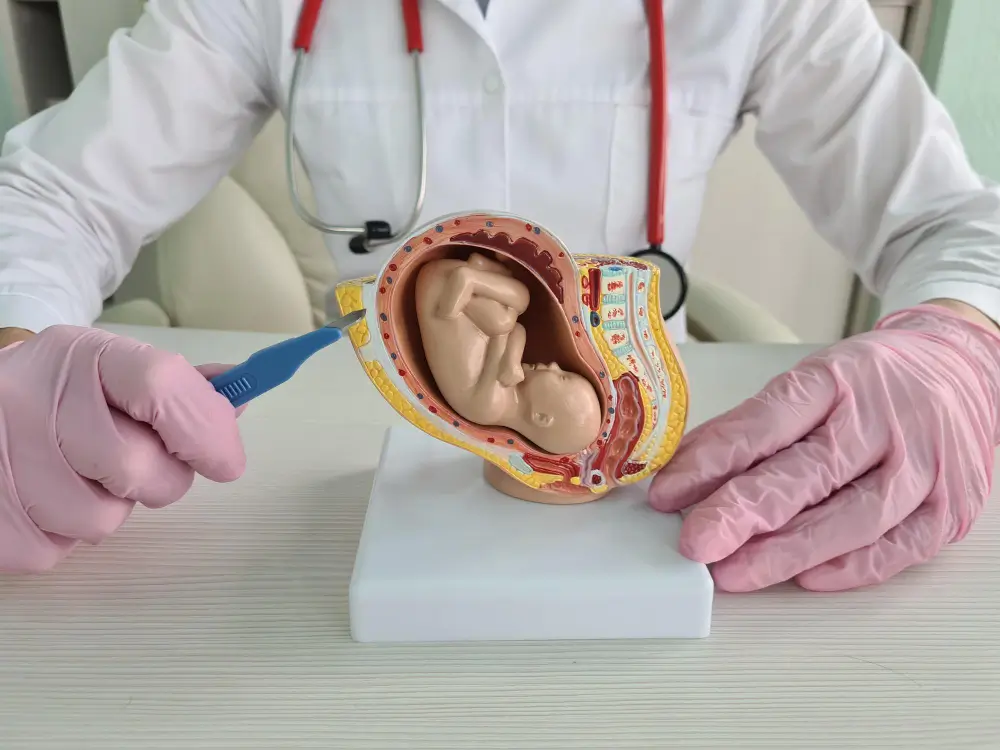
A low-lying placenta occurs when the placenta develops in the lower part of the uterus and lies close to the cervix. During early pregnancy, this is a common finding because the placenta can attach anywhere inside the uterus. As the pregnancy progresses and the uterus expands, the placenta often moves upward naturally, away from the cervix. In many cases, this means the condition resolves on its own without causing complications. However, if the placenta remains low in later stages of pregnancy, it may affect delivery planning and require closer medical monitoring to ensure the safety of both mother and baby.
Symptoms
A low-lying placenta does not always cause symptoms, and many women discover it during a routine ultrasound. However, some signs may include:
- Painless vaginal bleeding, especially in the second or third trimester
- Bleeding after physical activity or intercourse
- Mild abdominal discomfort in some cases
- No symptoms at all in many women
Any bleeding during pregnancy should never be ignored and must be evaluated by a doctor immediately.
Risk Factors
The exact cause of a low-lying placenta is not always clear, but certain factors increase the risk:
- Previous C-section or uterine surgery
- Multiple pregnancies (twins or more)
- Pregnancy at an older maternal age
- Placenta attaching lower in the uterus naturally
- Previous history of placenta-related complications
In early pregnancy, the placenta often forms low and usually moves upward as the uterus grows. Problems arise only if it remains low in later months.
When to See a Doctor
You should consult your doctor immediately if:
- Have you experienced any vaginal bleeding during pregnancy
- You feel sudden pelvic pain or pressure
- Bleeding occurs after intercourse
- You have already been diagnosed with a low-lying placenta and are noticing new symptoms
Regular antenatal check-ups and follow-up ultrasounds are essential to monitor placental position and ensure maternal and fetal safety.
Types of Low-Lying Placenta
Doctors classify placental position based on how close it is to the cervix:
- Low Lying Placenta: Placenta is close to, but not covering, the cervix
- Marginal Placenta Previa: Placenta reaches the edge of the cervix
- Partial Placenta Previa: Placenta partially covers the cervix
- Complete Placenta Previa: Placenta completely covers the cervix
The type plays a major role in deciding the delivery plan.
Treatment Options
Treatment depends on the stage of pregnancy, symptoms, and placental position:
- Regular ultrasound monitoring
- Reduced physical activity if advised
- Avoiding heavy lifting and intercourse
- Hospital observation in cases of bleeding
- Planned C-section for complete or persistent placenta previa
Many women with a low lying placenta early in pregnancy go on to have normal deliveries if the placenta moves upward.
Why Choose Us
Choosing the right maternity care team makes a big difference when dealing with high-risk pregnancy conditions. Our approach focuses on:
- Experienced obstetricians skilled in managing placenta-related conditions
- Advanced ultrasound and fetal monitoring facilities
- Personalised pregnancy care plans
- 24×7 emergency support for unexpected bleeding
- Safe delivery planning with mother and baby as top priority
We ensure compassionate care and clear communication at every step of your pregnancy.
FAQs
Can a low-lying placenta correct itself?
Yes. In many cases, the placenta moves upward as the uterus grows, especially when diagnosed early.
Is a normal delivery possible with a low lying placenta?
It depends on the placental position in the third trimester. Many women can deliver normally if the placenta is not covering the cervix.
Does a low-lying placenta harm the baby?
With proper monitoring and care, most babies develop normally without complications.
At what age should menopause care begin?
Light activity may be allowed, but always follow your doctor’s advice based on your condition.
Will I definitely need a C-section?
Not always. A C-section is recommended mainly if the placenta covers the cervix or if bleeding risks are high.
Conclusion
A low-lying placenta can sound alarming, but with timely diagnosis, regular monitoring, and proper medical guidance, most pregnancies progress safely. Understanding your condition helps you make informed decisions and reduces unnecessary fear. The key is staying alert to symptoms and maintaining close follow-up with your healthcare provider.
If you’ve been diagnosed with a low-lying placenta or have concerns about bleeding during pregnancy, don’t delay seeking expert advice. Book a consultation with an experienced obstetrician today for personalised care and a safe pregnancy journey.